
 16 July 2026
 Share
Share
1
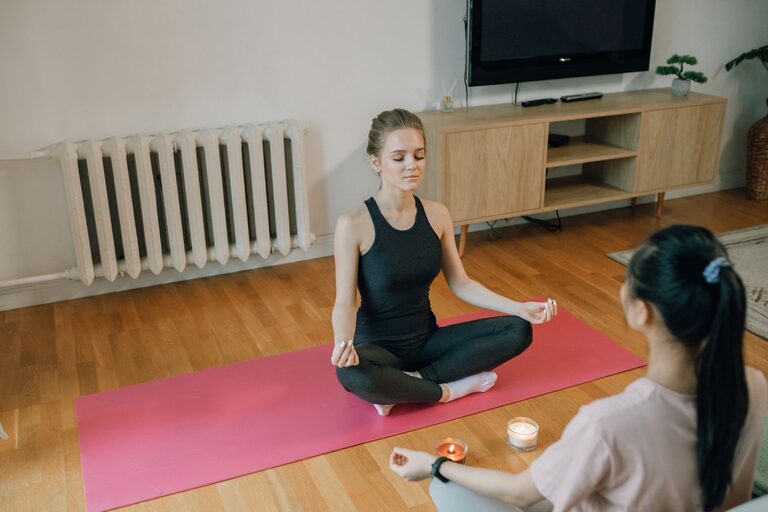
Taking a mindful breathing break is an easy and effective way to reduce stress, improve concentration, and bring a sense of calm to your daily routine. If you’re new to mindfulness or breathing exercises, this guide will provide you with beginner-friendly tips to help you get started and make the most of your mindful breathing breaks.
Mindful breathing is the practice of paying close attention to your breath — noticing the sensations of breathing in and out without trying to change it. It’s about being present in the moment, which can help calm your mind and reduce anxiety.
In today’s busy world, it’s easy to feel overwhelmed or distracted. Mindful breathing breaks can:
– Reduce stress and tension
– Improve focus and clarity
– Increase relaxation
– Boost mood and energy
– Encourage a healthy connection to the present moment
Even a few minutes of mindful breathing can provide noticeable benefits.
Choose a spot where you won’t be easily disturbed. This could be your desk, a comfy chair, or even outside in a park. If finding silence is difficult, try using headphones and play soft, calming background music or white noise.
Start with short sessions, such as 3 to 5 minutes. You can gradually increase the time as you get more comfortable. Using a timer can help you relax and focus without worrying about the clock.
Sit with your back straight but relaxed, feet flat on the floor, and hands resting comfortably. If sitting is not an option, lying down is perfectly fine. The key is to find a position where you can remain still and comfortable.
Breathe naturally, and gently bring your attention to the sensation of the air entering and leaving your nose or mouth. Feel your chest or belly rising and falling with each breath.
Try inhaling slowly through your nose to the count of four, hold the breath briefly, then exhale gently to the count of four or longer. Deep breathing helps activate your body’s relaxation response.
It’s normal for thoughts to pop up. When you notice your attention drifting, gently bring it back to your breath without judgment or frustration. This practice of returning your focus is an important part of mindfulness.
If you find it challenging to stay focused, guided breathing exercises can be helpful. You can find free apps or videos that walk you through simple breathing practices.
Consistency is key. Try to incorporate mindful breathing breaks into your daily routine, such as mid-morning, lunch, or afternoon. Even short, regular practice can have lasting benefits.
Here’s a simple exercise you can try anytime:
– Set reminders on your phone to pause for a mindful breath during your day.
– Pair mindful breathing with daily activities like waiting in line or during breaks at work.
– Create a calming environment using soft lighting or calming scents like lavender.
– Share the practice with friends or coworkers to build support and accountability.
– Be patient and kind to yourself as you learn. Mindfulness is a skill that grows over time.
As you practice mindful breathing regularly, you may notice:
– Reduced feelings of stress or overwhelm
– Greater ability to stay focused during tasks
– Improved mood and emotional balance
– Better sleep quality
– A stronger connection to the present moment
Remember, mindfulness is about enjoying the process rather than achieving a specific outcome.
—
Mindful breathing breaks are a simple yet powerful tool you can use anywhere and anytime. Starting with small, consistent steps will help you build a meaningful habit that supports your well-being. Give yourself permission to pause, breathe, and reset — your mind and body will thank you!
